

Summary
The future of inflation is uncertain and influenced by various economic factors.
Inflation, measured by the Consumer Price Index, affects general price levels in the economy.
Factors like money supply and the cost of goods and services significantly impact inflation rates.
Inflation can reduce purchasing power, making personal financial protection strategies important.
There is no one definitive answer to the question of whether or not inflation will go down. Some economists believe that it will, while others believe that it will continue to rise. The truth is that no one can say for certain what will happen. This article will walk you through some different things to think about when it comes to inflation.
What Is Inflation?
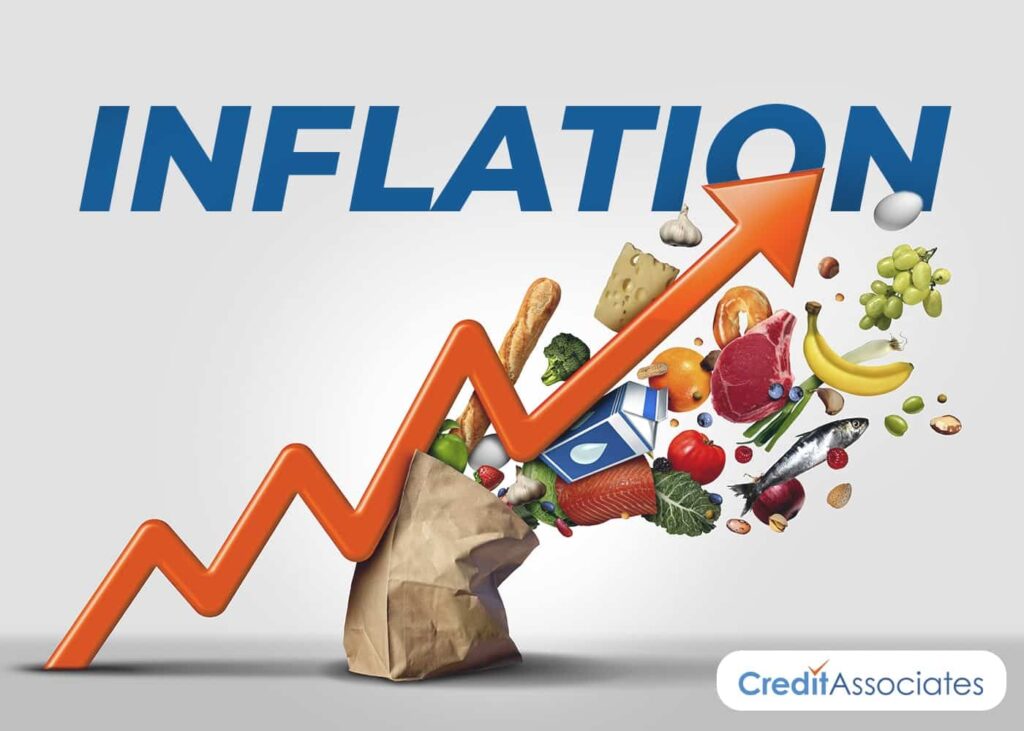
Inflation is the rate at which the prices of goods and services rise. It’s important to note that inflation doesn’t refer to the prices of specific items, but rather the general level of prices in the economy.
How Is Inflation Calculated?
In the United States, inflation is calculated using the Consumer Price Index (CPI). The CPI measures the average change in prices paid by urban consumers for a market basket of consumer goods and services. The CPI is calculated by the U.S. Bureau of Labor Statistics (BLS) and is released monthly.
Factors that Cause Inflation Rate to Change
There are a variety of factors that can cause the inflation rate to change. Some of these factors include:
Changes in the money supply
One of the most important factors that can cause changes in the inflation rate is the money supply. The money supply is the total amount of money in circulation in an economy. When the money supply increases and there are a limited number of goods and services available, the value of the money decreases. This ultimately increases prices.
Increases in the cost of goods and services
Another important factor that can cause inflation is an increase in the cost of goods and services. This could be due to a variety of reasons, including an increase in the cost of raw materials,an increase in labor costs, or population growth. When the cost of goods and services goes up, it leads to inflation because companies pass on these higher costs to consumers in the form of higher prices.
Inflation Rate Trends
According to the U.S. Bureau of Labor Statistics, the Consumer Price Index increased by 1% in May of 2022. Over the last 12 months, all items have seen an 8.6% increase in the index. The largest increase came in the fuel oil category, which saw a 106.7% increase over the past year.
Protect Yourself from Rising Inflation Rates
While inflation can have some benefits, such as stimulating economic growth, it can also be detrimental to your personal finances. This is because when prices go up, your purchasing power goes down. In order to protect yourself from the effects of inflation, it’s important to take some steps to hedge against it.
You can take some steps to reduce your exposure to inflation by reducing your reliance on debt. This is because when prices go up, your debt payments will also increase. This could make it difficult to pay down your debt and could lead to financial hardship.
How Can CreditAssociates Help?
If you’re looking for help in reducing your debt, CreditAssociates can certainly help. We are America’s #1 rated debt relief company with 4.0 out of 5 stars based on over 10,000 reviews, and we can help you reduce your credit card debt by up to half or more. Get a free consultation today and see how we can help you get on the path to financial freedom.
Common Questions About Inflation:
Will inflation continue forever?
No, inflation is not a permanent state. It is a result of temporary imbalances in the economy. These imbalances can be caused by a variety of factors, such as an increase in the money supply or an increase in the demand for goods and services.
Who benefits from inflation?
Some people benefit from inflation, while others suffer from it. Those who benefit are typically debtors. That’s because when prices go up, the money they owe is worth less in real terms. So, their debt burden decreases.
What assets do well in inflation?
Typically, assets that are tied to the real economy do well in inflation. This includes things like commodities, real estate, and stocks. These assets can help to protect your purchasing power by increasing in value as prices rise.