

Honored in 2024, 2025, & 2026 as One of the Nation's Top Workplaces

Please be advised we’re currently experiencing a phone service outage with our provider, which may make it difficult to reach us by phone.
We’re working hard to resolve and apologize for the inconvenience.

Already a client? You can still connect with us in the Client Portal or DebtApp.
Look for the “Chat with an expert” icon in the bottom-right corner. If it’s unavailable, fill out our “Contact Us” form.

Honored in 2024, 2025, & 2026 as One of the Nation's Top Workplaces

Please be advised we’re currently experiencing a phone service outage with our provider, which may make it difficult to reach us by phone. We’re working hard to resolve and apologize for the inconvenience.
Already a client? You can still connect with us in the Client Portal or DebtApp. Look for the “Chat with an expert” icon in the bottom-right corner. If it’s unavailable, fill out our “Contact Us” form.

What Is a Credit Report?

what is a credit report

Summary:

  • A credit report is a document that outlines an individual’s credit history, including their debt, credit usage, and payment history.

  • It’s important to review your credit report regularly for errors and signs of identity theft.

  • Paying bills on time, keeping credit utilization low, and disputing errors can improve your credit score.

  • Making timely payments and reducing debt are key to maintaining good credit.

  • CreditAssociates® can help you get out of debt and improve your financial situation; schedule a free consultation to discuss our debt settlement services.

If you’re looking for insight into what a credit report is and what it contains, you’ve come to the right place. This article will help get you up to speed with what you need to know about credit reports.

What Is a Credit Report and What Information Does It Contain

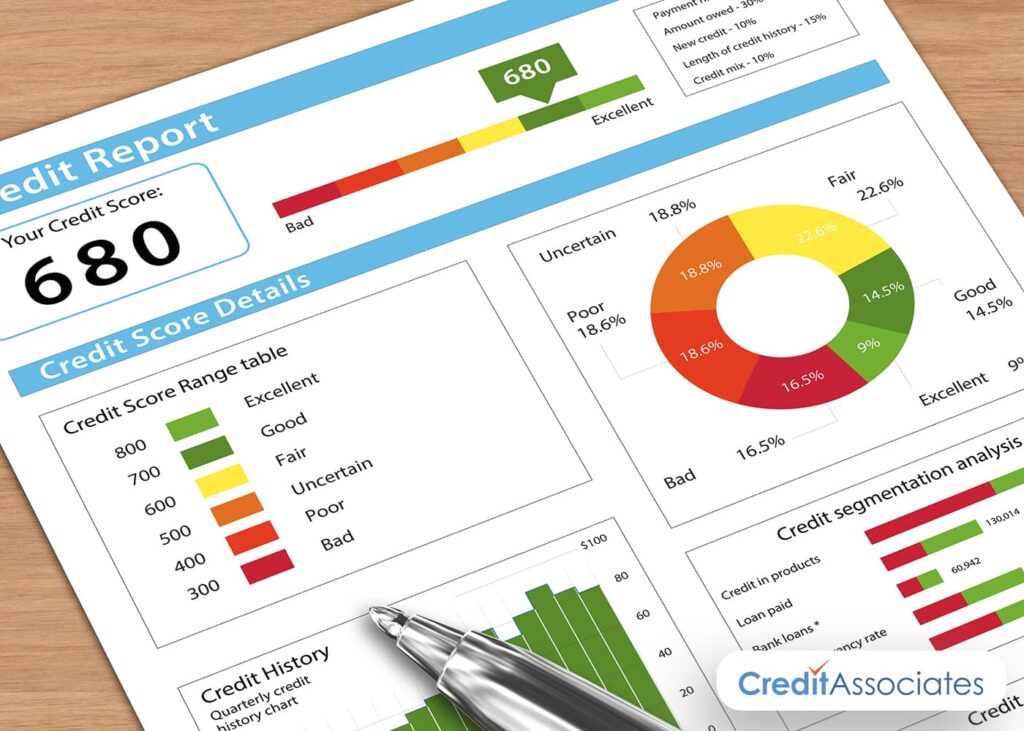
A credit report is a document that outlines an individual’s credit history. It contains information about how much debt an individual has, what kind of credit they use, and whether or not they have been late on any payments. A credit report can be used by lenders to determine an individual’s creditworthiness.

How to Read Your Credit Report

Once you have obtained a copy of your credit report, it is important to understand how to read it. The report will contain information about your credit history, including your credit score. It will also list any accounts that you have open, as well as your payment history for those accounts. The report will also list any debts that you owe, and whether or not you have been late on any payments.

What Do the Different Sections of Your Credit Report Mean?

Typically, credit reports include four categories: personal information, credit history, debts owed, and inquiries.

The personal information section will contain your name, address, social security number, and date of birth. The credit history section will list all of the credit accounts that you have open, as well as your payment history for those accounts. The debts owed section will list all of the debts that you owe, as well as the status of those debts (e.g., current, delinquent, charged-off). The inquiries section will list all of the companies that have pulled your credit report in the past two years.

What to Do if You Find Errors in Your Credit Report

If you find errors in your credit report, it is important to take action immediately to make sure the information is accurate. You can contact the reporting agencies that issued the report to dispute the errors. You can also contact the creditor that is listed on the report to get more information about the error.

It is important to keep track of all communications related to the dispute and to make sure that you receive a response from the credit bureau or creditor within 30 days. If you do not receive a response, or if you are not satisfied with the response, you can file a complaint with the Consumer Financial Protection Bureau.

How to Improve Your Credit Score

There are a few things you can do to positively affect your credit score. One of the most important things is to make sure that you always pay your bills on time.

You should also try to keep your credit utilization ratio low. This means using less than 30% of your available credit at any given time. You can also improve your credit score by closing old or delinquent accounts, and by disputing any errors on your credit report.

How can CreditAssociates Help?

We can help you work out a plan to reduce your debt and improve your financial situation. Learn more about how we can help or give us a call today for a free consultation: 1-866-921-5344.

Common Questions About Credit Reports

What is included in a credit report?

A credit report is a detailed account of an individual’s credit history. It includes information such as the individual’s name, address, social security number, credit card numbers, and loan amounts. It also includes information about how often the individual has applied for credit and whether or not they have been approved.

How often should I check my credit report?

You should check your credit report at least once a year to make sure that there are no errors. You can also check your credit report more often if you suspect that someone may have stolen your identity.

How can I use a credit report to spot identity theft?

Identity theft can be revealed by reviewing the inquiries section of a credit report. If there are any new accounts that appear on your report, it could be an indication of identity theft. Another thing to watch for is large amounts of credit being applied in your name without you applying. Also, if you notice a change in what’s reported as your salary and what’s now listed as what you owe, this might indicate identity theft.


Sidebar - Blog

  • This field is for validation purposes and should be left unchanged.
  • Get Started With A Free Consultation

  • *By clicking “Free Consultation,” you agree the phone number and email address provided may be used for contact by CreditAssociates, LLC (including auto-dial/auto-select and prerecorded/artificial voice/AI voicebot calls, as well as text/SMS messages). Msg. and data rates apply, your consent to contact/marketing is not required for purchase. Msg frequency varies. You may opt out at any time. You also consent to a soft credit inquiry solely to determine if your debt qualifies for our program. You agree to our Privacy Policy and Terms , including while calls are monitored and recorded by a virtual assistant and third-party AI platform, how we collect, process, and share information, and the agreement to arbitrate disputes.