

Summary:
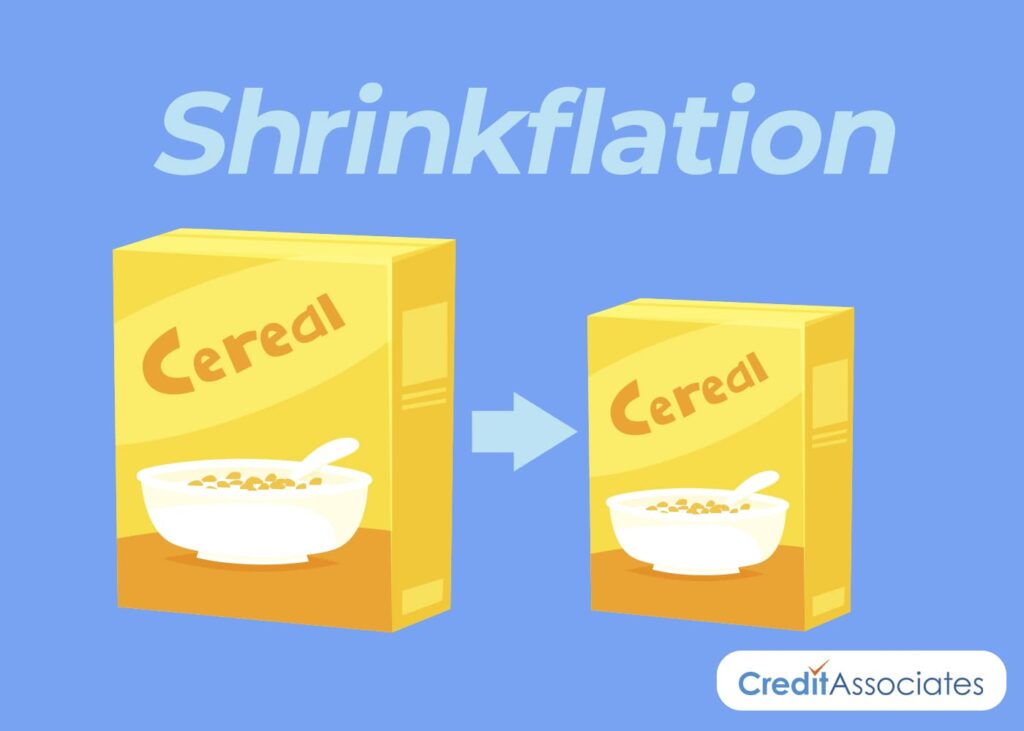
Shrinkflation occurs when the size of a product decreases but the price remains the same, affecting various consumer goods from food items to household essentials.
While shrinkflation can help businesses manage costs without raising prices, it often leaves consumers feeling cheated, potentially damaging brand reputation and customer loyalty.
Governments have begun to address shrinkflation by implementing regulations that require clearer labeling of product sizes and quantities to ensure transparency and fairness in the marketplace.
Consumers can combat shrinkflation by being vigilant, comparing prices, opting for generic brands, and staying informed about the products they purchase.
CreditAssociates® can help you manage your finances effectively during these challenging times; schedule a free consultation to learn more about how we can assist you in navigating financial pressures with practical solutions.
The phrase “shrinkflation” has recently become quite popular, but many people don’t understand exactly what it means. On the surface, shrinkflation is when product packages get smaller over time without any changes in their price—leaving shoppers feeling like they are getting less for more money. However, this economic phenomenon goes much deeper than that and can have far-reaching effects on various industries and products.
This post will explore everything you need to know about the shrinkflation theory, including its causes and implications in the marketplace. So if you’re wondering why your favorite items are now coming in sleeker packaging or why prices keep increasing despite shrinking sizes—read on!
What is Shrinkflation, and How Does it Work?
Shrinkflation may sound like a made-up word, but it’s a natural phenomenon affecting consumers daily. Put simply, shrinkflation occurs when the size of a product decreases, but the price stays the same. This can be seen in various products, from coffee to toilet paper to chocolate bars. Companies may opt for this to save money without raising prices or use it to keep profits high while still offering deals or discounts. Regardless, shrinkflation can frustrate consumers who feel cheated out of their money. It’s important to know this tactic and adjust your shopping habits accordingly.
The Pros and Cons of Shrinkflation for Consumers
While it may seem like a sneaky way for companies to cut costs, it has pros and cons for consumers. Shrinkflation is a positive, allowing manufacturers to stabilize prices, which could lead to inflation. On the other hand, consumers may feel cheated when purchasing a smaller product than expected. Ultimately, it comes down to the individual consumer and their purchasing priorities.
[button link=”https://creditassociates.com/debt-settlement-consultation/” color=”orange”] Free Debt Consultation[/button]
The Impact of Shrinkflation on Business Profits and Lost Revenue
Shrinkflation has become increasingly common in the business world, and its impact on both companies and consumers should not be underestimated. While shrinkflation may seem like an innocuous cost-cutting measure, it can severely affect a brand’s reputation and profitability. For one, customers will likely feel duped when they realize they are paying the same amount for fewer products. This can ultimately lead to lost revenue and a damaged consumer and company relationship.
Conversely, companies may see an initial boost in profits from the reduced costs of producing smaller products, but this short-sighted strategy can eventually backfire as customer loyalty wanes. To effectively navigate the complex world of shrinkflation, businesses must balance managing their expenses and delivering value to their customers.
How Governments Have Responded to Shrinkflation Concerns
As consumers, we’ve all experienced the frustration of purchasing a product only to find that its size has shrunk while the price remains unchanged. In response to this growing phenomenon, governments have taken various actions to address the issue. Some have implemented regulations requiring companies to clearly label changes in the size or quantity of products, while others have launched investigations into specific industries to ensure consumer fairness. Regardless of the approach, it’s encouraging to see governments taking proactive steps to protect consumers from deceptive pricing practices.
Strategies for Combating the Inevitability of Shrinkflation
Shrinkflation is a sneaky phenomenon that affects many consumers without realizing it. It can occur in all products, from food to household items, and can be frustrating for consumers. However, there are strategies for combating the inevitability of shrinkflation.
Look at prices and compare them to the size of the product. This can help you identify changes in value over time. Another strategy is to purchase generic or store-brand products, which may be less likely to use shrinkflation tactics. Be aware and stay informed.
CreditAssociates is Here to Help
CreditAssociates understands the financial challenges that consumers face daily and provides practical solutions to help them create a budget and manage their money effectively. Visit our website to learn more about how we can help you.
Common Questions About Shrinkflation
Is shrinkflation legal?
Shrinkflation itself is not illegal, but companies must provide accurate labeling and pricing information to consumers.
How can I protect myself from shrinkflation?
The best way to protect yourself from shrinkflation is to stay informed and know product prices and sizes. Pay attention to changes in the size or quantity of products, compare prices, and purchase generic or store-brand items whenever possible. These simple steps can help you save money and protect yourself from unexpected price hikes.
Does shrinkflation affect the quality of the product?
Shrinkflation does not necessarily affect the quality of the product, but it may affect the value consumers receive for their money.