

Summary:
Fixing your credit score is achievable by following simple steps, such as removing inaccurate information from your credit report.
Requesting a copy of your credit report is essential for understanding your financial standing, and CreditAssociates® offers free credit reports to help individuals assess their credit health.
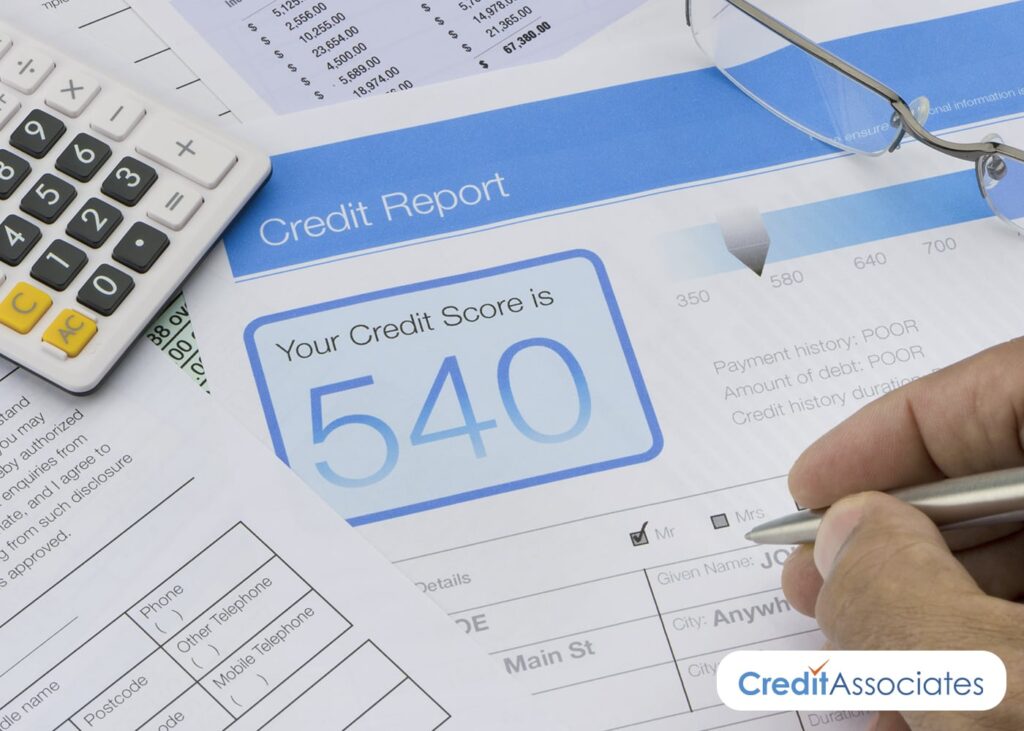
Reviewing your credit report carefully allows you to identify any inaccuracies or incomplete information that may be impacting your credit score.
CreditAssociates® offers comprehensive debt relief solutions, including personalized debt settlement plans and assistance with lowering debt to improve credit score, providing a pathway to financial freedom and a brighter future.
It’s easy to fix your credit score when you know how. The problem is that it seems like there are so many confusing and contradicting pieces of advice about how to do this, which can make the process seem daunting. Fortunately, there are some simple steps you can take in order to get a better handle on your credit score.
Removing Inaccurate Information
The credit report is how lenders determine how much they are going to charge you for loans and how many loans you can get. If there’s false information on your credit report, it could be costing you a lot of money in interest payments or preventing you from getting the loan at all. Thankfully, there are ways to fix this problem if it happens to you by contacting the credit reporting agencies and filing a dispute.
Review Your Credit Report
Once you’ve gained access to your credit reports, you will want to review them carefully. Be sure to look for any inaccuracies. If you find something that doesn’t seem to be accurate, carefully consider how it got there in the first place.
Compile Inaccurate or Incomplete Information
Once you’ve reviewed your report, you will want to compile a list of any inaccurate or incomplete information. This compilation of information will allow you to find any particular inaccuracies or omissions and how they are represented on your credit report.
Submit a Dispute to Credit Bureau
If you’ve found inaccurate or incomplete information on your credit report, you will want to submit a dispute to the corresponding credit bureau. This can be done by mail or online depending on the credit bureau.
When submitting a dispute, be sure to include:
– Your name and address
– The name of the creditor or organization that provided the information
– The specific information in question
– Why you believe it’s inaccurate or incomplete
– Copies of any relevant documentation
Follow Up with Credit Bureaus
Once you submit the information, it will be submitted to the corresponding credit bureau. They may contact you with further questions and how they plan to handle the dispute. Be sure to follow up if you haven’t heard anything after a few weeks of submitting the initial letter.
Removing Accurate Information
Request Goodwill Deletion
If you have inaccurate information on your credit report that you don’t want, you may be able to get it removed through a goodwill deletion letter. This is a request made to the credit bureau asking them to remove the information without causing any harm to your credit score.
The process of requesting a goodwill deletion is fairly simple. You will need to provide your name and address, and the name of the creditor or organization that provided the information. You will also need to state why you believe the information should be removed and include copies of any relevant documentation. Typically these requests will be most successful if it is a one-off issue, such as a single missed payment.
Common Questions About Credit Reports
How much will my credit score increase if a negative item is removed?
That’s hard to say because credit scores are calculated in different ways. Some credit scoring models place less importance on how recently you’ve made your last payment and how much you owe, and more emphasis on your age of accounts or the length of your history with any particular creditor. Along with how frequently you use an individual account (e.g., you only charge a monthly gas bill once every six months), these combine to determine a consumer’s credit score.
Does your debt go away after seven years?
No, your debt does not go away after seven years. The statute of limitations for most debts is around seven years, but that doesn’t mean the debt goes away. It just means the creditor can’t take legal action against you to collect the debt. You are still responsible for paying the debt, and it will still impact your credit score.
How do you write a letter to remove negative credit?
When writing a letter to remove negative credit items, you will want to be sure to include your name and address, as well as the name of the creditor or organization that provided the information. You will also need to state why you believe the information should be removed and include copies of any relevant documentation.
How Can CreditAssociates Help?
If you’re struggling with debt, CreditAssociates can help you get back on track. We offer a program that lets you choose your monthly payment, and pays off your debt in 24-36 months. With our help, you can get back on the path to financial freedom and secure yourself a brighter future.