

Summary:
Regularly checking your credit reports for errors and disputing inaccuracies is crucial for maintaining a healthy credit score.
Paying bills on time, lowering your credit utilization ratio, and reducing overall debt are essential steps towards improving your creditworthiness.
Consider extending repayment terms on loans to make monthly payments more manageable and potentially improve your debt-to-income ratio.
CreditAssociates® offers debt relief solutions and personalized guidance to help you manage debt effectively and achieve your financial goals, ultimately contributing to a better credit score.
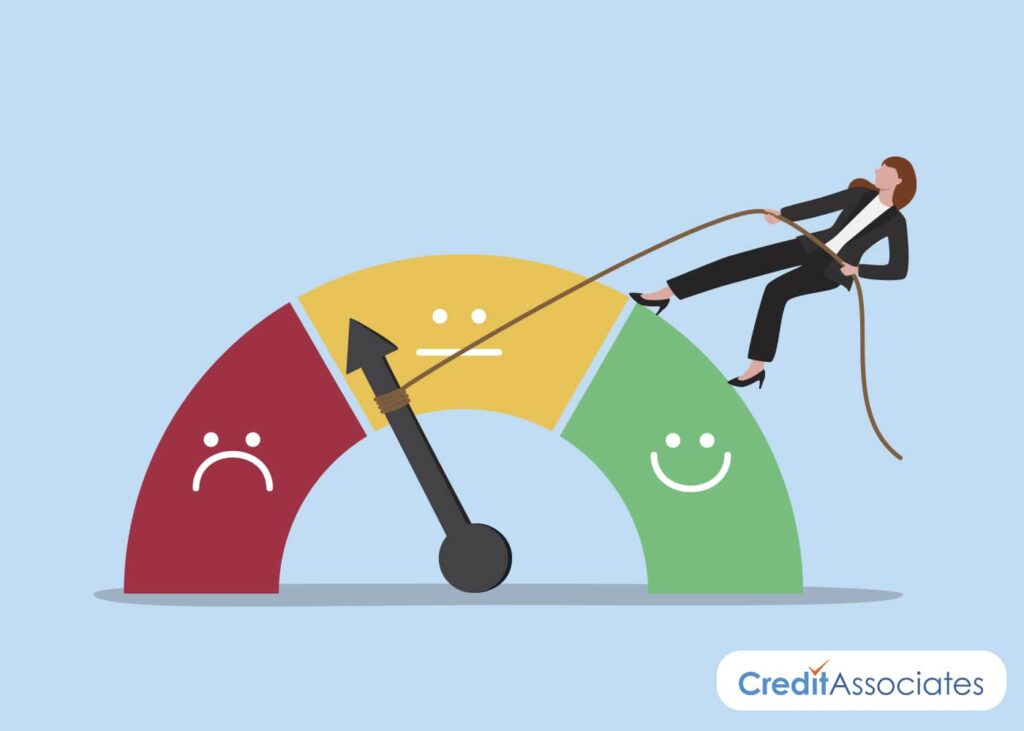
Your credit score can have a significant impact on your financial future. Taking the necessary steps to improve it can help you access better loan deals, finance purchases, and secure employment. Luckily, there are simple steps you can take to quickly raise your credit score and establish yourself as financially responsible.
In this blog post, we’ll explore everything from maintaining timely payments to understanding what goes into making up your credit score—so read in full for all our top tips!
Check Your Credit Reports
Your credit report is a crucial document that impacts major financial decisions, such as getting approved for loans, purchasing a home, or leasing a vehicle. Monitoring your credit report is critical, so you should access copies from all three major credit reporting agencies.
Review your reports carefully and ensure that everything seems correct. Minor errors, such as typos or wrong addresses, can cause significant issues. So, if you find inaccuracies, take immediate action and dispute them.
Pay All Bills On Time
Paying bills on time is crucial for maintaining a good credit score. Late payments not only negatively impact your credit score and can result in late fees and higher interest rates on loans and credit cards. It’s important to make a budget and keep track of due dates to ensure that all bills are paid in full and on time. With the convenience of online payment options, you can even set up automatic payments to ensure you never miss a due date. When you pay your bills on time, not only will you dodge any negative repercussions, but you’ll also establish a favorable credit history that can be beneficial for future financial endeavors.
Lower Your Credit Utilization Ratio
Keeping your credit utilization ratio low is one of the most important factors in maintaining a healthy credit score. This ratio, which measures the amount of credit you’re using compared to your overall available credit, should ideally be below 30%. If you have a credit limit of $10,000, you should aim to owe at most $3,000 on that card at any time.
A high credit utilization ratio can signal to lenders that you may need help to manage your debt, which can harm your chances of being approved for loans or other credit products. Maintaining a low credit utilization ratio increases your credibility and prevents you from accumulating excessive interest charges and fees.
Reduce Your Overall Debt
While some debt levels may be necessary to achieve your financial goals, you may need help with multiple debts and payment structures. If you want to improve your financial health, reducing your overall debt can help you get there.
You can improve your debt-to-income ratio and credit score by paying off as much debt as possible. Utilizing strategies such as paying more on credit cards than just the minimum required payment and being mindful of how much you are spending overall can help put you in the position to pay off some or all of your debts. This will make it easier for you to qualify for loans and credit in the future and give you peace of mind knowing that you are in control of your finances.
Consider Longer Repayment Terms
Debt can be overwhelming, but there are several ways to make paying it off more manageable. One option to consider is extending the repayment terms of your loans. Doing so can lower your monthly payments and free up some extra cash each month. While this may mean you’ll pay more in interest over time, it can be worth it for the relief it provides in the short term. Plus, it can allow you to put more money toward other debts or savings goals. If you’re struggling to keep up with your loan payments, consider exploring longer repayment terms to make your financial journey less stressful.
CreditAssociates Can Help
Regardless of where you are in your financial journey, CreditAssociates is here to help. We understand how overwhelming it can be to manage your debts, so we’re here to simplify that process. Visit our website to learn more about how we can help you.
Common Questions About Credit Scores
What is a good credit score?
A credit score of 700 or higher is considered to be a good score. This can vary based on the type of loan you’re looking for and the lender’s criteria.
How often should I check my credit report?
You should check your credit report at least once a year to ensure its accuracy and to spot any potential errors.
What is the best way to pay off debt?
The best way to pay off debt depends on your situation and financial goals. Some strategies include paying more than the minimum due on credit cards, transferring balances to lower-interest cards, and taking advantage of loan repayment programs. Additionally, CreditAssociates can help develop a personalized plan tailored to your specific needs for getting out of debt faster.