

Summary:
- Buying a foreclosed home can offer significant savings, but depending on the stage of foreclosure, it can also come with added complexities and risks.
- It’s essential to assess your financial readiness, secure preapproval for a mortgage, and work with a real estate agent experienced in foreclosures.
- Foreclosed properties are typically sold “as-is,” and buyers should account for repairs, unpaid taxes, or liens. Home inspections are highly recommended where possible.
- CreditAssociates® can help reduce your financial burden, making qualifying for a mortgage and investing in a foreclosed property easier. Schedule a free consultation today to explore their debt settlement services.
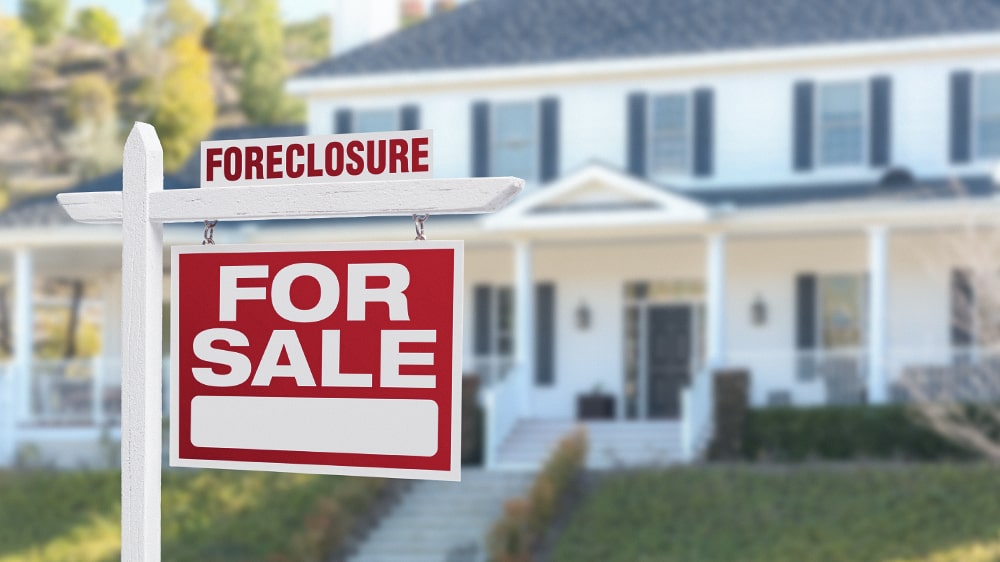
A foreclosed home is a property repossessed by the lender after the homeowner fails to make mortgage payments. These homes are typically sold to recover the lender’s losses, often at a discount, which can make them appealing to buyers seeking a good deal or an investment opportunity. However, buying a foreclosed home can be more complex than a traditional home purchase due to the various stages of foreclosure and the potential risks involved.
Despite the challenges, purchasing a foreclosed property can be successful and rewarding with the right approach and preparation. In this article, we’ll walk you through the essential steps and considerations to help you navigate the process confidently.
Understanding the Foreclosure Process
Pre-Foreclosure
Before a home is officially foreclosed, it enters the pre-foreclosure stage. During this time, the homeowner is behind on mortgage payments but still technically owns the property. Homeowners may try to sell their homes to avoid foreclosure, which has a negative impact on their credit. As a buyer, you can negotiate directly with the homeowner, potentially securing a favorable price before the home enters the more competitive foreclosure auction stage. This can be an excellent opportunity to get ahead of the process while helping the seller avoid foreclosure.
Auction
If the homeowner cannot sell the property during pre-foreclosure, the home typically moves to a foreclosure auction. At auction, buyers usually need to pay in cash, and there is often little to no opportunity to inspect the property beforehand. This means buyers assume the risk of any repairs or issues with the home. While buying at auction can come with significant risks, it also offers the chance to secure a home at a lower price than market value, potentially leading to substantial savings for well-prepared buyers.
Bank-Owned (REO) Properties
If a home doesn’t sell at auction, it becomes a real estate-owned (REO) property, meaning the bank now owns it. Purchasing an REO property is similar to a traditional home-buying process, with the added benefit that buyers may be able to secure financing, unlike at auction. However, these homes are generally sold “as-is,” meaning any repairs or issues are the buyer’s responsibility. Despite this, REO properties offer a less risky alternative to auctions while still providing opportunities for discounts.
Research and Preparation
Assess Your Financial Readiness
Assessing your financial readiness is essential before buying a foreclosed home. Getting pre-approved for a mortgage or securing financing early is critical, as lenders may have stricter requirements for foreclosed properties due to the added risks involved.
Additionally, many foreclosed homes are sold “as-is,” meaning you’ll need to be financially prepared to cover any necessary repairs or upgrades. Setting aside a budget for unforeseen issues will help ensure you’re fully ready for the costs associated with the purchase and potential renovations.
Work with a Real Estate Agent Experienced in Foreclosures
Working with a real estate agent specializing in foreclosed properties is smart. These agents understand the unique challenges of purchasing foreclosed homes and can guide you through the process more efficiently. They can help you identify the best opportunities, negotiate on your behalf, and assist with navigating auctions, REO properties, or pre-foreclosures. Their expertise can also be invaluable when it comes to assessing the property’s condition and avoiding potential pitfalls.
Understand the Risks and Costs
While foreclosed homes often come with lower price tags, they can also come with additional risks and hidden costs. Many foreclosures require repairs, which could be significant if the previous owner neglected maintenance or if the home has been vacant for some time. There may also be unpaid taxes, liens, or utility bills attached to the property you’ll be responsible for. Although not always required, it’s highly recommended to get a home inspection to understand the property’s actual condition. This will give you a clearer picture of what you’re buying and help avoid costly surprises down the road.
Finding Foreclosed Properties
Where to Look for Foreclosed Homes
Finding foreclosed homes requires knowing where to search. Here are some of the best places to start your search:
- Bank Websites: Many banks list their foreclosed properties directly on their websites. These listings, often called “REO (Real Estate Owned) properties,” are homes the bank has repossessed and is looking to sell.
- Government Agencies: Sites like HUD, Fannie Mae, and Freddie Mac have dedicated sections for homes they own through foreclosure. These properties can often be purchased at a discount.
- Local Real Estate Listings: Foreclosures may be listed alongside traditional homes for sale on popular real estate websites such as Zillow or Realtor.com.
- Foreclosure Auctions: Local governments or private auction houses often hold foreclosure auctions where you can bid on properties.
- REO Listings: These homes that didn’t sell at auction and are now owned by the bank. REO listings can be found through real estate agents or the bank’s website and typically provide a safer buying process.
Attend Foreclosure Auctions
Foreclosure auctions can offer great deals, so being prepared is important. Research the local auction procedures ahead of time and understand how the bidding process works. Some auctions require potential buyers to have funds readily available, often in cash, to complete the purchase. Additionally, remember that homes sold at auction are typically “as-is,” meaning there’s no opportunity to inspect the property beforehand. This increases the risk, but it can also present significant savings for prepared buyers.
Explore Bank-Owned (REO) Listings
If a property doesn’t sell at auction, it becomes a bank-owned or REO property. These homes are often listed with real estate agents and sold through traditional channels, which can make the process smoother and less risky. Unlike auction properties, buyers of REO homes can typically inspect the property before finalizing the sale. This provides more peace of mind, though the homes are still sold “as-is,” and any necessary repairs will be the buyer’s responsibility.
Steps to Buying a Foreclosed Home
Get Preapproved for a Mortgage
The first step in purchasing a foreclosed home is securing preapproval for financing. This gives you a clear understanding of your budget and strengthens your position when making an offer. Lenders often view buyers with preapproval as more serious and reliable, which can be especially helpful when navigating competitive foreclosure markets. Work with your lender to ensure your preapproval accounts for potential additional costs, such as repairs or renovations, that foreclosed properties might require.
Research the Property and Market
Thorough research is crucial before making any offer. Investigate the neighborhood, local property values, and market trends to ensure the foreclosure is a good deal. Check public records for any liens, unpaid taxes, or other issues tied to the property that could become your responsibility after purchase. Understanding these factors will help you make an informed decision and avoid overpaying or being stuck with unexpected expenses.
Make an Offer
Several factors need to be considered when making an offer on a foreclosed home. Offering below the asking price is common with foreclosures, but be mindful of competition—if multiple buyers are interested, you may need to be more aggressive with your offer. A clean, straightforward offer without too many contingencies (such as repair demands) can increase your chances of acceptance, especially when dealing with banks or auction sellers who want a quick, hassle-free sale.
Conduct a Home Inspection (if possible)
Foreclosed homes are typically sold “as-is,” and many have been neglected. If the property is bank-owned (REO), schedule a home inspection before finalizing the purchase. A thorough inspection will identify any significant issues or repairs needed, helping you avoid costly surprises later. Although some auctions don’t allow inspections beforehand, if you’re buying through a more traditional channel, an inspection is essential for understanding the home’s true condition.
Close the Deal
Once your offer is accepted, the closing process begins. This involves negotiating final terms, ensuring your financing is in place, and completing all necessary paperwork. It’s important to be thorough during this stage—confirm that any liens or unpaid taxes have been cleared, and double-check all legal documents to avoid complications down the line. Being diligent during the closing process will ensure a smooth transition to ownership and avoid unexpected financial or legal headaches.
Professional Guidance for a Successful Foreclosure Purchase
Navigating the foreclosure process can be complex, especially with auction properties or homes that may have hidden liens or unpaid taxes, so seeking professional help from real estate agents experienced in foreclosures or legal experts is essential to avoid costly mistakes. Suppose you’re dealing with financial challenges while looking to buy a foreclosed home. In that case, debt relief services can help reduce your financial burden, making qualifying for a mortgage and investing in a property more accessible.
Addressing your debt first can strengthen your position as a buyer. Schedule a free consultation today to explore how CreditAssociates® can help you achieve your financial goals.
Common Questions
Can I get a mortgage for a foreclosed home?
Yes, you can get a mortgage for a foreclosed home, but lenders may have stricter requirements. Getting preapproved and having a strong financial profile will improve your chances.
Are foreclosed homes always sold at a discount?
While foreclosed homes are often sold below market value, this isn’t always true. Factors like location, condition, and market demand can affect the price.
Can I negotiate the price of a foreclosed home?
Yes, you can often negotiate the price of a foreclosed home, especially if it’s an REO (Real Estate Owned) property. However, auctions typically have less room for negotiation.