

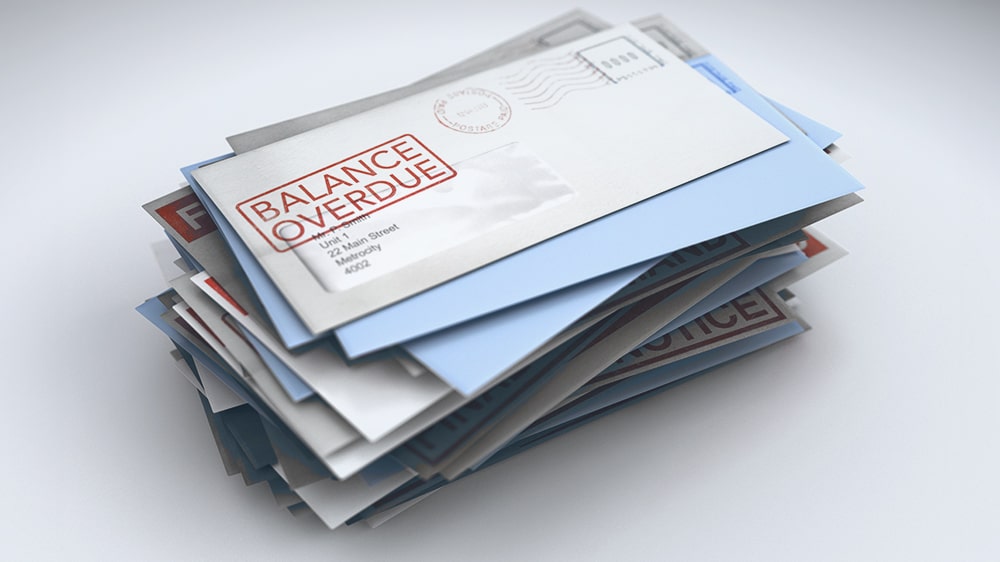
A “charged off” label can sound like your credit card debt has been erased. It hasn’t. A charge-off means the card issuer has recorded the unpaid balance as a loss, typically after the account has gone about 180 days without payment. You may still owe the debt.
The card is generally closed, and the charge-off may appear on your credit reports. The issuer may continue trying to collect the balance, hire a collection agency, or sell the debt to a buyer. Knowing who owns the debt and what a charge-off changes can help you decide what to do next.
What a Credit Card Charge Off Is
A credit card charge-off means the issuer has recorded your unpaid balance as a loss. It is a change to the issuer’s accounting records, not a cancellation of the debt. If the balance is valid and unpaid, you may still be responsible for it.
Credit card issuers generally charge off accounts by the time they are 180 days past due. That does not mean you have six months before missed payments matter. Interest and fees may add to the balance, the issuer may contact you about payment, and missed payments may be reported to the credit bureaus before a charge-off occurs.
What Happens When a Credit Card Is Charged Off
Once a credit card is charged off, the account is closed to new purchases, so you can no longer use the card or its available credit. The issuer may also report the charge-off to the credit bureaus. The unpaid balance remains, but who contacts you about it may change.
Your original creditor might continue collecting the debt or hire a collection agency to collect on its behalf. In either case, the creditor still owns the account. The creditor may instead sell the debt to a buyer, who then becomes the company seeking payment.
That is why you might hear nothing for a while and later receive a letter from a company you do not recognize. If that happens, confirm who owns the debt and check the amount before deciding how to respond. You may be able to discuss payment or settlement options, but a charge-off does not guarantee that the creditor or debt buyer will accept less than the full balance.
What a Charge Off Does to Your Credit Report
If your card issuer reports the charge-off, it can appear on your credit report as a negative mark. Lenders who review that report may see that the account went unpaid, and the charge-off can hurt your credit score. The missed payments leading up to it may already have affected your credit.
How Long a Charge Off Stays on Your Report
A credit card charge-off can generally stay on your credit report for about seven years from the first missed payment that led to the charge-off. The clock does not start when the issuer charges off the account or when a debt buyer purchases it.
Federal law allows credit bureaus to report a charge-off for up to seven years plus 180 days from that first delinquency. Paying or settling the debt later does not start a new reporting period, though the account should be updated to reflect its new status.
Does Paying a Charge Off Help Your Credit
Paying a credit card charge-off does not erase it from your credit report. An accurate charge-off can remain for the reporting period even after you pay, and no credit repair service can guarantee its removal.
What can change is the account’s reported status and balance. After the debt is resolved, it should reflect that it was paid or settled rather than still showing an unpaid balance. That update may matter to a lender reviewing your report, though it does not guarantee an immediate increase in your credit score.
Resolving the balance can also stop further collection on that debt, including the risk of a future lawsuit over it. If you settle for less than the full amount, get written confirmation that the agreed payment will satisfy the entire debt before you pay.
Settling a Charged-Off Credit Card Balance
A charge-off does not prevent you from settling a credit card balance. Credit card debt is unsecured, so the creditor or debt buyer may agree to accept less than the full amount owed to resolve the account. Whether they will negotiate, and for how much, depends on the account.
CreditAssociates has more than 10 years of debt settlement experience, relationships with more than 1,000 creditors, and handles more than 132,000 settlements a year. Across enrolled debts, clients who complete the program may save approximately 25% to 30% or more, including program fees. Results vary, and no individual settlement is guaranteed.
What the CreditAssociates Program Includes
- Eligibility review for people with $10,000 or more in unsecured debt
- A program typically designed to resolve enrolled debts in 24 to 36 months, depending on your circumstances
- No upfront program fees; you review and approve a settlement before a fee is charged for that account
- Negotiation with the creditor or debt buyer that currently holds each eligible debt
If your credit card debt has been charged off, a CreditAssociates specialist can review your accounts and explain whether the debt relief program could help you resolve them.
You do not have to wait for the next letter to decide what to do. A free consultation costs nothing and takes one call at 1-800-983-6693.
Credit Card Charge Off Questions, Answered
Can I be sued over a charged-off credit card account?
Yes. A charge-off does not prevent the creditor or debt buyer from suing to collect a valid debt. The time limit for filing a lawsuit depends on state law and is separate from how long the charge-off can appear on your credit report. If you receive a lawsuit, respond by the deadline even if you believe the debt is too old to collect.
What is the difference between a charge off and a collection?
A charge-off is the original creditor’s decision to record the unpaid balance as a loss. Collections refers to efforts to recover that balance, whether by the creditor, a collection agency working for it, or a company that bought the debt.
If a separate collector reports the account to a credit bureau, you may see both the original charged-off account and a collection account on your report. They can refer to the same debt; seeing two entries does not mean you owe it twice.
Does bankruptcy remove a charge off from my credit report?
No. Filing for bankruptcy does not automatically erase an accurate charge-off. If the debt is discharged, the account should be updated to reflect that it was included in bankruptcy and that you no longer owe a balance on it. The earlier charge-off may remain until its reporting period ends. The bankruptcy filing also appears separately on your credit report, generally for seven years to ten years.