

Summary:
Debt relief options like settlement and consolidation can offer a path towards financial stability, but it’s crucial to understand both the benefits (debt reduction, stopping creditor harassment) and drawbacks (potential tax implications, credit score impact).
The IRS often considers forgiven debt as taxable income, but exceptions exist, making it vital to understand the tax implications specific to your situation and accurately report any forgiven debt.
Planning for debt relief involves creating a robust strategy, understanding the tax impact, and potentially seeking guidance from a tax professional or debt relief advisor.
CreditAssociates® can help you navigate the complexities of debt settlement and create a personalized plan to achieve financial freedom. Schedule a free consultation today to explore your options.
In the labyrinth of financial wellness, the topic of debt relief emerges as a beacon of hope for many. The aim of this article is straightforward – to navigate the intricate paths of debt relief and unearth the tax implications entwined within it. Such knowledge is pivotal, enabling readers and clients to stand on the foundation of informed decisions. Embarking on the debt relief journey without a compass – understanding its tax nuances – can steer one off the course of financial recovery and stability. Let’s embark on this enlightening journey together, unveiling the layers of debt relief and its tax implications.
What is Debt Relief?
Diving into the realm of debt relief, it’s essential to define it at its core. Debt relief embodies various forms, including debt settlement, consolidation, and bankruptcy, each tailored to suit diverse financial situations. Like a multifaceted gem, each aspect of debt relief offers unique relief to individuals in the throes of financial distress. Debt settlement and consolidation focus on reducing the debt amount or combining multiple debts into a manageable sum. Bankruptcy, though a grave step, can be a fresh start, erasing certain debts entirely. This panoramic view of debt relief is a map guiding distressed individuals toward financial solace.
Potential Benefits and Drawbacks of Debt Relief
Let’s look at the possible advantages and disadvantages of debt relief. It’s important to consider both the good and bad sides carefully, thinking about how they fit into each person’s unique financial situation. This balanced understanding gives people the power to confidently take steps toward improving their financial situation and finding stability.
Benefits:
- Significant Debt Reduction or Elimination: Debt relief can substantially decrease or completely erase debts, providing substantial financial relief and enabling a quicker path to financial stability.
- Protection from Creditor Harassment: Engaging in debt relief programs providers a shield against the onslaught of creditor harassment, granting peace of mind and mental relief to those who face constant creditor pressure.
- Structured Repayment Plans: Debt relief often involves creating structured, manageable repayment plans, making it easier for individuals to clear their debts without additional stress.
- Potential to Avoid Bankruptcy: Utilizing debt relief options may help individuals avoid filing for bankruptcy, preserving their credit score and future borrowing opportunities.
Drawbacks:
- Tax Implications: The IRS often considers forgiven debt taxable income, which can lead to unexpected financial burdens, complicating financial recovery.
- Impact on Credit Scores: Debt relief programs can adversely affect credit scores, potentially impacting future borrowing opportunities, loan interest rates, and overall financial health.
- Possible Fees and Charges: Some debt relief options have associated fees, which might add to financial strain if not adequately accounted for.
- Long-Term Financial Planning Impact: Engaging in debt relief may require adjustments to long-term financial planning and goals, necessitating a reassessment of financial strategies and objectives.
Tax Implications of Debt Relief
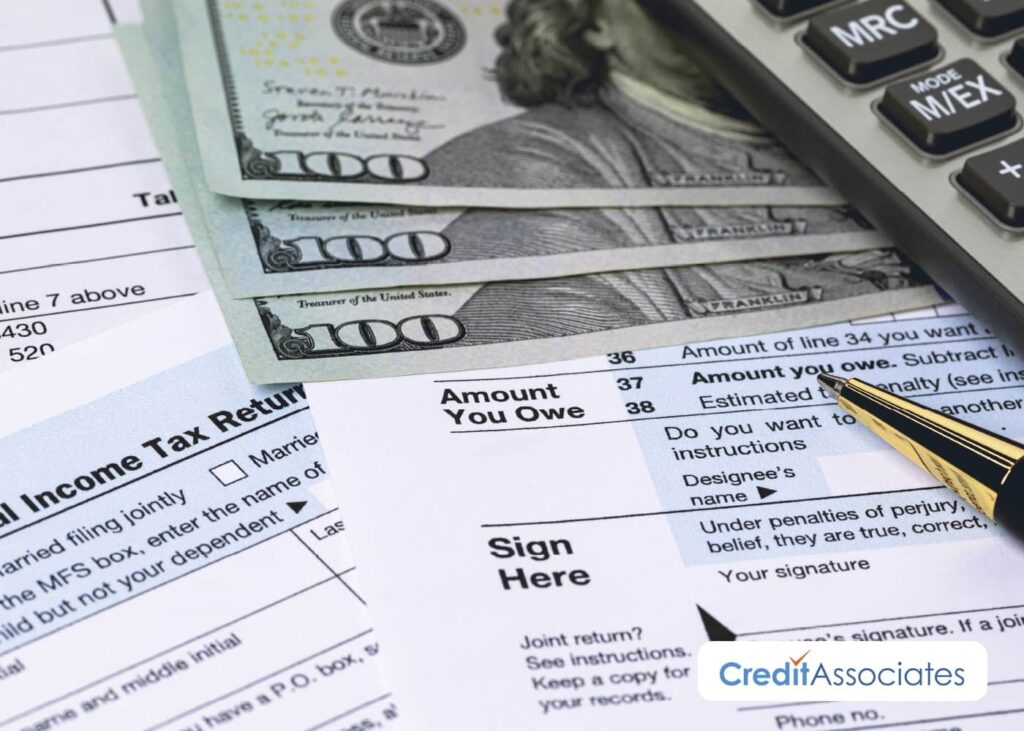
As we delve deeper into the world of debt relief, the complexities of tax implications become evident. While the IRS typically treats forgiven debt as taxable income, further complicating financial matters, it’s important to note that there are exceptions, such as insolvency. In this context, familiarity with the IRS Form 1099-C (Cancellation of Debt) and related tax documents is essential. Accurately reporting forgiven debt on tax returns is a vital step that demands careful attention and comprehension. Though this process may seem daunting, it illuminates the way to a secure financial future, dispelling any lingering questions and concerns.
Planning for Debt Relief
As we move forward, financial planning stands out as essential. A robust debt relief strategy, including understanding its tax impact, is the foundation of financial recovery. Seeking advice from a tax professional or debt relief advisor provides valuable knowledge and insights. Preparation is another cornerstone, especially for potential tax consequences. Like setting aside voyage provisions, saving money for potential tax obligations is paramount. This foresight reinforces financial defenses, guarding against unexpected monetary setbacks and leading toward the ultimate destination of financial security and tranquility.
Let CreditAssociates Be Your Guide
Are you feeling overwhelmed by your financial situation? Let us guide you on the path to financial freedom. Reach out to our experienced team at CreditAssociates today, and together, we’ll build a strategy tailored just for you.
Common Questions About Owing Taxes After Debt Relief
Is forgiven debt considered taxable income?
Yes, the IRS generally considers forgiven or canceled debt as taxable income. However, there are exceptions, and it’s not always the case. It’s crucial to understand the specific tax implications related to your debt relief plan.
What are the exceptions where forgiven debt is not taxable?
Exceptions include debt canceled during bankruptcy, debt canceled during insolvency, and certain student loan forgiveness programs. It’s always best to consult a tax professional to understand the nuances and ensure you meet all tax obligations.
How can debt relief affect my credit score?
Debt relief can hurt your credit score. It depends on the type of debt relief program you choose, but generally, any situation where your debt is forgiven or canceled can reflect poorly on your credit report. It’s crucial to weigh this factor when considering debt relief options.