

Summary
- Debt settlement provides a path to financial relief by negotiating payments that are less than the total owed, allowing individuals a fresh start.
- Maintaining financial health post-settlement is essential, with practices like effective budgeting, building an emergency fund, and careful debt monitoring being key to long-term stability.
- Rebuilding credit involves regular financial habits such as timely bill payments, using secured credit cards, and monitoring credit reports to dispute inaccuracies.
- CreditAssociates® can help you navigate your financial recovery with expert debt settlement services. Schedule a free consultation today to take the first step toward a debt-free future.
Debt settlement, a negotiated agreement in which a debtor pays a lump sum less than the full amount owed to settle a debt, is a beacon of hope for many grappling with overwhelming financial burdens. This process offers a pathway out of debt and a chance to reset one’s financial standing. However, the journey doesn’t end with closing a debt settlement deal; it’s merely the beginning of a new phase of financial management.
The true challenge begins once the debt is settled. Maintaining financial health after settlement is crucial. Without a solid plan, individuals may find themselves slipping back into the same patterns that led to financial distress in the first place. Therefore, focusing on sustainable practices that ensure long-term financial stability and prevent future debt problems is essential.
Understanding the Impact of Debt Settlement
Debt settlement is often perceived as a last resort for those burdened by significant debt. This process involves negotiating with creditors to pay a lump sum that is significantly less than the total owed, effectively canceling the remainder of the debt. Understanding the mechanics and repercussions of this approach is crucial for anyone considering this path or those who have just completed their debt settlement.
How Debt Settlement Works
Debt settlement typically begins when the debtor, or a hired debt settlement company, approaches creditors to negotiate a manageable payoff amount for the debtor yet acceptable to the creditor. This usually occurs when it becomes evident that the debtor cannot meet the debt’s original terms due to financial hardships. Once an agreement is reached, the debtor makes a lump sum payment, and any remaining debt is forgiven.
Immediate Effects on Financial Status
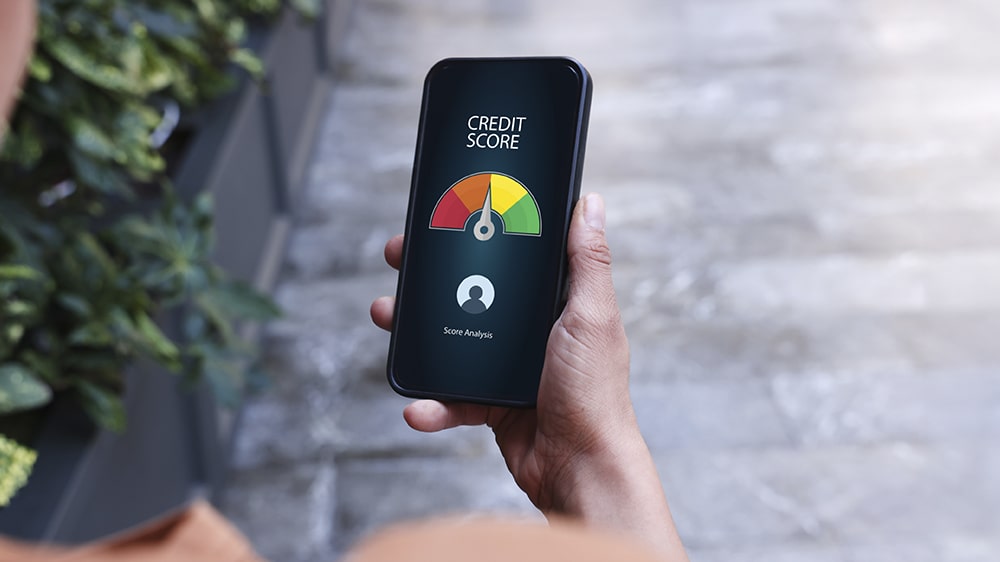
The most immediate effect of debt settlement is the total debt reduction, which can relieve the overwhelming pressure of unmanageable repayments. However, it’s important to note that settling a debt for less than what was originally owed can also negatively impact your credit score. Credit reporting agencies record these settlements as part of your credit history, which might reduce your score and affect your ability to borrow in the future.
Typical Outcomes of Debt Settlement:
- Credit Score Impact: Debt settlement can temporarily decrease your credit score. Creditors might report the debt as “settled” rather than “paid in full,” which carries a different weight with credit scoring models.
- Relief from Debt Burden: The most tangible outcome is the elimination of overwhelming debts. This alleviates the immediate financial strain and stops any accruing interest or penalties on the settled debts.
Psychological and Financial Relief
Beyond the numbers, the psychological impact of clearing a large debt cannot be overstated. Debt can be a significant source of stress, affecting mental health and overall quality of life. Completing a debt settlement can lift these burdens, offering financial relief and a psychological boost. It marks a fresh start and a second chance at financial management, free from the constant worry of insurmountable debt.
Essential Financial Practices Post-Settlement
Once debt settlement has been achieved, the road to financial stability requires adherence to several key practices. These practices not only prevent falling back into debt but also pave the way for a secure financial future. Here, we explore critical areas including budgeting, building an emergency fund, and debt monitoring.
Budgeting
Importance of Creating and Sticking to a Budget
Budgeting is fundamental to maintaining financial health. It involves tracking your income and expenses to ensure you live within your means. Post-settlement, a well-planned budget helps manage finances effectively, preventing the recurrence of debt.
Tools and Resources for Effective Budgeting:
- Apps and Software: Utilize budgeting apps like Mint, YNAB (You Need A Budget), or EveryDollar to track spending and plan expenses.
- Spreadsheets: Excel or Google Sheets templates can be very effective for those who prefer manual control.
- Workshops and Webinars: Many financial institutions and community organizations offer free courses on basic financial management.
Emergency Fund
Significance of Building an Emergency Fund
An emergency fund is a cash reserve intended to cover unexpected expenses such as medical bills, home repairs, or sudden unemployment. It is crucial because it provides a financial buffer that can keep you afloat in tough times without needing to accrue new debt.
Practical Tips on How Much to Save and Where to Keep These Funds:
- Savings Goal: Aim to save at least three to six months’ worth of living expenses.
- Saving Strategy: Start small, perhaps setting aside a percentage of your monthly income, and increase as your financial situation improves.
- Storage Options: Keep your emergency fund in a high-yield savings account or a money market account, where it can grow but remains accessible without penalties.
Debt Monitoring
Debt monitoring is a crucial step in maintaining financial stability after debt settlement. Implementing strategies to monitor and manage existing debts can greatly influence your financial recovery.
- Regular Check-ups: Schedule monthly reviews of your debt status and adjust payments as needed.
- Automate Payments: Ensure timely payments by setting up automatic deductions, which can also sometimes reduce interest rates.
Avoiding new debt is crucial. New debt strains your budget and can significantly set back your recovery progress. Always assess if you truly need to borrow or if it can wait until you can pay in cash.
Rebuilding Credit After Debt Settlement
Rebuilding credit after settling your debts is essential to restoring your financial health. It involves a commitment to careful financial management and a clear understanding of what to expect during the credit recovery process.
Timeline and Expectations for Credit Score Recovery
The impact of a debt settlement on your credit score can vary, but typically, it can take a few years to recover fully. Your credit score may drop initially because the debt is often reported as “settled” rather than “paid in full.” However, the negative effect decreases over time, especially if proactive steps are taken to rebuild credit.
Steps to Gradually Rebuild Credit:
- Timely Bill Payments: Consistently paying all your bills on time is one of the most effective ways to boost your credit score. Payment history is a significant component of credit scoring; even one late payment can prevent your recovery.
- Consider Secured Credit Cards: A secured credit card requires a cash deposit that becomes the credit line for that account. This is a less risky way to use credit because you’re essentially borrowing against your own money while building a record of on-time payments.
- Benefits of Small, Manageable Loans: Taking out small, short-term loans and repaying them diligently can also help rebuild your credit. These might include credit-builder loans, which are specifically designed to help individuals improve their credit scores. The key is to ensure that the loans are manageable and within your budget.
- Regular Credit Report Checks and Disputes Any Inaccuracies: Regularly checking your credit report is vital to ensure no errors or fraudulent activities could negatively impact your score. If inaccuracies are found, dispute them immediately with the credit bureau. Each of the three major credit reporting agencies (Experian, TransUnion, and Equifax) are legally obligated to provide you with a free copy of your credit report once a year, which you can access at AnnualCreditReport.com.
Smart Financial Habits for Long-Term Stability
Adopting smart financial habits is crucial for securing long-term financial stability. This section explores three fundamental areas: investing, insurance and protection, and financial planning. Each plays a vital role in building a robust financial foundation and protecting against future uncertainties.
Investing
Investing is an effective way to grow your wealth over time and should be a key component of any financial health strategy. Understanding the basics of investing is crucial, especially for beginners who may be cautious after experiencing financial difficulties.
- Basics of Investing and Its Role in Financial Health: Investing involves committing money to assets to earn a return. This can include stocks, bonds, real estate, or mutual funds. Over time, investments can yield compound returns, significantly enhancing your financial growth potential.
- Safe Investment Strategies for Beginners: It’s advisable for those new to investing to start with low-risk investments, such as mutual funds or exchange-traded funds (ETFs), which provide diversification and reduce risk. It’s also wise to consult a financial advisor to tailor an investment strategy that fits your financial situation and goals.
Insurance and Protection
Insurance is a critical safeguard that provides financial protection against unforeseen events, helping to ensure that such events do not derail your financial stability.
- Understanding Different Types of Insurance (Life, Health, Property):
- Life Insurance: Protects your loved ones by providing them financial support in case of your untimely death.
- Health Insurance: Covers medical expenses, which can be prohibitively expensive out of pocket.
- Property Insurance: Protects your property, such as homes and vehicles, against damage or theft.
- How Insurance Protects from Financial Shocks: Insurance policies act as a financial buffer against sudden expenses arising from accidents, illnesses, or natural disasters. By transferring the financial risk to an insurance company, you can avoid these events’ potentially devastating financial impact.
Financial Planning
Long-term financial planning is essential for achieving your financial goals and ensuring financial security for yourself and your family.
- Importance of Long-Term Financial Planning: Effective financial planning involves setting financial goals, assessing available resources, and implementing a plan to reach those goals. This can include saving for children’s education, purchasing a home, or preparing for retirement.
- Introduction to Retirement Savings Accounts (e.g., 401(k), IRA):
- 401(k): Many employers offer a tax-advantaged retirement savings plan. It allows employees to save and invest a portion of their paycheck before taxes are taken out.
- IRA (Individual Retirement Account): Offers a way to save for retirement with tax-free growth or on a tax-deferred basis. There are several types of IRAs, each with different advantages depending on your specific financial situation.
Ready to Take Control of Your Financial Future?
If you’re considering debt settlement as a means to regain control of your finances, remember that you don’t have to navigate this challenging process alone. At CreditAssociates®, our team of experienced professionals is here to guide you through every step, ensuring you make informed decisions that set the stage for a stable financial future. Schedule a free consultation today to learn how our tailored debt settlement services can help you break free from debt and start a new chapter in your financial life.
Common Questions
Can debt settlement affect my ability to get a mortgage?
Yes, debt settlement can impact your ability to get a mortgage in the short term. Settlement might lower your credit score, which lenders consider when assessing your mortgage application. However, rebuilding your credit can improve your chances over time.
Is it possible to open new credit lines after debt settlement?
Yes, opening new credit lines after debt settlement can be challenging, especially with a lower credit score. Starting with secured credit cards or credit-builder loans can be effective ways to rebuild your creditworthiness.
How often should I check my credit report after settling my debts?
It’s recommended to check your credit report at least annually to ensure there are no errors or fraudulent activities. However, if you are actively rebuilding your credit, checking your report every three to four months can be beneficial to track improvements and address any discrepancies quickly.