

Summary
- Various debt relief options like debt settlement, consolidation, and credit counseling are available to help individuals with bad credit manage and reduce their debts.
- Bad credit increases the difficulty of managing debts effectively due to higher interest rates and reduced access to financial products.
- Debt settlement can significantly reduce the amount owed and may improve credit over time despite an initial potential drop in credit scores.
- It’s essential to assess your financial situation, the total amount of debt, and how each debt relief option might impact your credit score before choosing a strategy.
- CreditAssociates® can help you regain control of your finances through expert debt settlement services. Schedule a free consultation today to start your journey to debt freedom.
Imagine you’re juggling overdue bills, calls from creditors, and the constant weight of financial uncertainty due to bad credit — a situation all too familiar to many. This article delves into various debt relief options available specifically for those with less-than-perfect credit scores. We will explore programs designed to manage and reduce debt, providing a pathway to a fresh financial start. Whether you’re dealing with mounting credit card debt, loans, or other financial burdens, understanding your options is the first step toward regaining control. Let’s discover how these programs can illuminate your journey out of debt and into hope.
Understanding Debt and Bad Credit
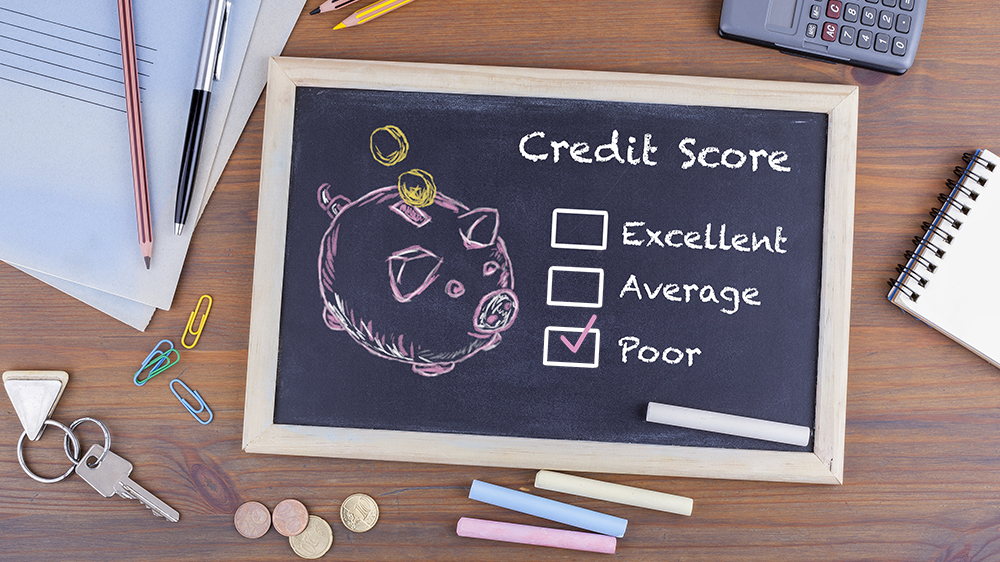
Bad credit typically refers to a low credit score, resulting from various factors including late payments, defaulting on loans, or carrying high credit balances. This score influences an individual’s financial credibility and can significantly restrict their access to essential financial products. Lenders and financial institutions often view bad credit as a signal of higher risk, which can lead to either the denial of credit or approval at substantially higher interest rates.
Common Causes of Debt and Bad Credit
- Medical Expenses: One of the most significant triggers for debt is healthcare costs. Even with insurance, high deductibles, copayments, and treatments not covered by insurance can result in substantial medical bills that are challenging to clear promptly. This burden can quickly lead to missed payments or financial shortcuts that deteriorate one’s credit score.
- Unemployment: Losing a job means losing a steady stream of income, which is crucial for meeting regular financial obligations such as mortgage payments, utility bills, and credit card debts. Unemployment can force individuals to rely on credit, increasing their debt load and potentially leading to missed payments that negatively affect their credit score.
- Overspending: Access to credit cards and loans can sometimes lead to spending beyond one’s means. This behavior, particularly if consistent, accumulates balances that become difficult to manage, especially when coupled with high-interest rates. Persistent overspending can lead to increased debt and, a drop in credit score as managing multiple, high-balance accounts becomes untenable.
Impact of Bad Credit
The ramifications of bad credit are extensive. It generally results in higher interest rates on loans and credit cards, increasing the cost of borrowing. This can create a cycle where debt continues to mount, making it harder to pay down balances and improve credit scores. Additionally, individuals with bad credit might find it challenging to access other necessary financial products like personal loans, mortgages, or even reasonable insurance policies, further complicating their financial situation. This population segment may also need help when trying to rent homes, set up utility accounts, or secure employment in fields that review credit histories as part of the hiring process.
Debt Relief Programs
Debt Settlement
Debt settlement involves negotiating with creditors to pay off a lump sum that’s less than the total amount owed on your debt. This process can significantly reduce your total debt load and help resolve outstanding balances quicker than making minimum payments. For those with bad credit, debt settlement can be particularly advantageous as it stops the cycle of delinquent payments and starts to mend credit over time. However, the initial impact may be a dip in credit score due to non-payment during the negotiation period.
Debt Consolidation
Debt consolidation combines multiple debts into a single debt, usually with a lower interest rate and longer repayment term. This differs from debt settlement in that you still pay the total amount owed, but restructuring it makes payments more manageable and can reduce the overall interest paid. For individuals with bad credit, securing a debt consolidation loan can be challenging, but it’s possible through secured loans or with a cosigner. The primary benefits include simplified finances with only one monthly payment and potentially lower interest rates, which can prevent further damage to credit scores.
Credit Counseling
Credit counseling is a service that helps consumers better manage their debt through budgeting and financial education. This process often involves working with a counselor to understand your financial situation, followed by structured advice on reducing debt. Counselors may also negotiate with creditors for lower interest rates or waived fees. This service benefits anyone struggling to manage their debt, as it provides a structured plan and educational support without directly affecting credit scores.
Bankruptcy
Bankruptcy should be considered a last resort due to its long-lasting impact on your credit history. There are two primary types relevant to personal debt:
- Chapter 7 Bankruptcy: This involves liquidating your assets to pay off debts and can clear many types of debt, but it has severe implications for your credit score and future creditworthiness.
- Chapter 13 Bankruptcy: This option allows you to keep your assets and sets up a repayment plan to clear debts over three to five years. It’s less damaging than Chapter 7 but still significantly negatively affects your credit score.
Bankruptcy is typically deemed a viable option when all other debt relief strategies have been explored or when debts significantly outweigh income and assets.
Evaluating Debt Relief Options for Bad Credit
When selecting a debt relief strategy, several factors must be considered to ensure it aligns with your financial needs and goals. These include:
- Financial Situation: Assess your overall financial stability, including income, essential expenses, and financial obligations. Understanding your cash flow is crucial to determining which debt relief option can be sustained over time.
- Amount of Debt: Consider the total amount of debt and your types of debt.Different strategies might be more effective for large amounts versus small amounts, or credit card debt versus student loan debt.
- Impact on Credit Score: Each debt relief option affects your credit score differently. Understanding these potential impacts and how they align with your future financial goals, such as purchasing a home or car.
Regain Financial Control with Debt Settlement
Take the first step toward reclaiming your financial independence with CreditAssociates®’ expert debt settlement services. Our team is dedicated to negotiating with your creditors to significantly reduce the amount you owe, making it more manageable to regain control of your finances. At CreditAssociates®, we understand the challenges of overcoming debt and are here to provide personalized, compassionate support. Contact us today for a free consultation, and let us help you pave the way to a debt-free future. Your path to financial freedom starts with a simple call or click.
Common Questions
How will participating in a debt relief program affect my credit score?
Participation in a debt relief program can initially hurt your credit score, especially if it involves stopping payments to creditors during negotiations. However, as debts are settled and reduced, you can begin rebuilding your credit by managing your finances more effectively and making timely payments.
Can I still qualify for debt relief programs if I’ve been turned down for other credit or loans?
Yes, being turned down for credit or loans does not necessarily prevent you from qualifying for debt relief programs. These programs often have different qualification criteria that are specifically designed to help those who are struggling with their financial situation.
Is debt settlement a better option than filing for bankruptcy?
Debt settlement can be more favorable than bankruptcy for many individuals because it may have a less severe impact on your credit score and does not involve the legal ramifications of a bankruptcy proceeding. However, the best option depends on your specific financial circumstances, and consulting with a financial advisor or a debt counselor can help you make an informed decision.
Are there government debt relief programs?
Yes, there are different types of government debt relief programs available. Eligibility typically depends on factors like income level, the amount and type of debt, and financial hardship. Some programs target specific debts like student loans or mortgages and may require proof of economic difficulties, such as job loss or medical emergencies.